The Hidden Ways Subscriptions Steal Your Money
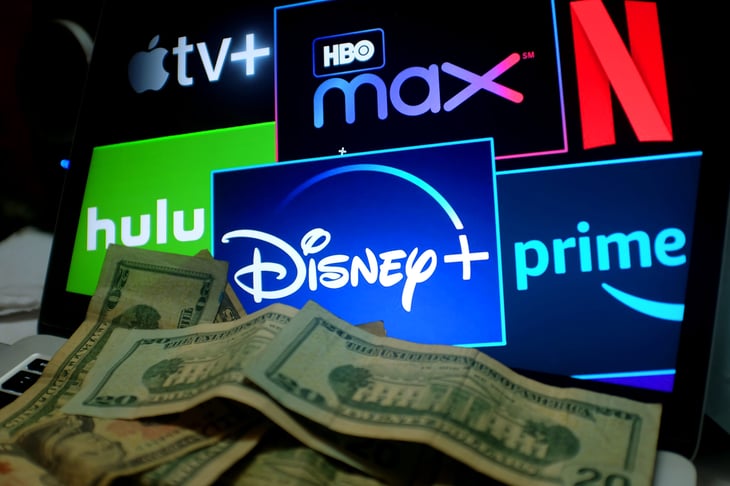
Subscriptions have become a normal part of modern life. From streaming services and fitness apps to meal kits and premium versions of everyday tools, it feels like almost everything requires a recurring payment. While many subscriptions seem affordable on their own, the real financial danger lies in how quietly they add up. Companies design them to make spending feel effortless—and before you know it, a large chunk of your monthly budget disappears without you noticing. Understanding the hidden ways subscriptions drain your money is the first step toward taking back control.
One of the biggest traps is the low monthly cost illusion. A service priced at $5 or $10 a month feels harmless, but that small amount becomes significant when multiplied across a dozen subscriptions. A few streaming services, a couple of apps, some cloud storage, and an automatic product refill can easily total hundreds of dollars a year. The psychological trick here is intentional: companies break down their fees into small monthly payments to make them seem insignificant. It’s easier to say yes to $9.99 a month than $120 upfront—even though it’s the same cost.
Another subtle tactic is auto-renewal, which many people forget to turn off. Once you sign up, the company continues billing you whether you use the service or not. Free trials are especially guilty of this trick. They give you a short period of “free” access, but you must enter your payment information first. If you forget to cancel—and many do—you get charged automatically. These companies count on your memory slipping, and it works more often than people admit.
Subscription services also play on convenience. Ease of sign-up versus difficulty of cancellation is a classic trick known as a “dark pattern.” It takes one tap to subscribe, but canceling can take several steps, hidden menus, or customer support calls. The more frustrating the cancellation process, the more likely consumers are to give up and stay subscribed, even if they’re not using the service.
A less obvious way subscriptions drain money is through overlapping services. Many people subscribe to multiple platforms that offer similar content or features. For example, you might be paying for three different music or video streaming services but regularly use only one or two. Or you may have a fitness app, a meditation app, and a nutrition app when one premium app could cover it all. Companies rely on this overlap because they know customers rarely review all their subscriptions regularly.
Then there’s the problem of unused or forgotten subscriptions. These are the silent budget killers. Many people sign up for services they only use for a short time—digital storage upgrades, online classes, trial apps, seasonal hobby boxes—then forget they’re still being charged. These “ghost” subscriptions often go unnoticed because individual charges appear small and blend into your bank statements.
Some companies also use tiered pricing tricks. They offer a basic plan at an extremely low price, but the features you actually need are locked behind higher, more expensive tiers. This subtle upsell leads you to spend more than you intended. And once you're on the higher tier, downgrading can be surprisingly difficult or inconvenient.
Lastly, subscription models take advantage of routine. When something becomes automated, you stop thinking about it. This is great for companies—but not for your wallet. When people don’t actively engage with their expenses, they’re far more likely to overspend.
The good news is that you can take control by auditing your subscriptions regularly. Check your bank statements, track trial periods, and cancel anything you don’t use consistently. Ask yourself whether each service truly adds value to your life. A few hours of review can potentially save hundreds of dollars a year.
Subscriptions can be useful and convenient, but only when you manage them intentionally. By understanding the hidden ways they siphon your money, you can make smarter choices and keep more of your hard-earned cash where it belongs—in your pocket.


Comments
Post a Comment